

Daniela García: Engineering Character in the Age of Vertical Cinema
-
- March 1, 2026

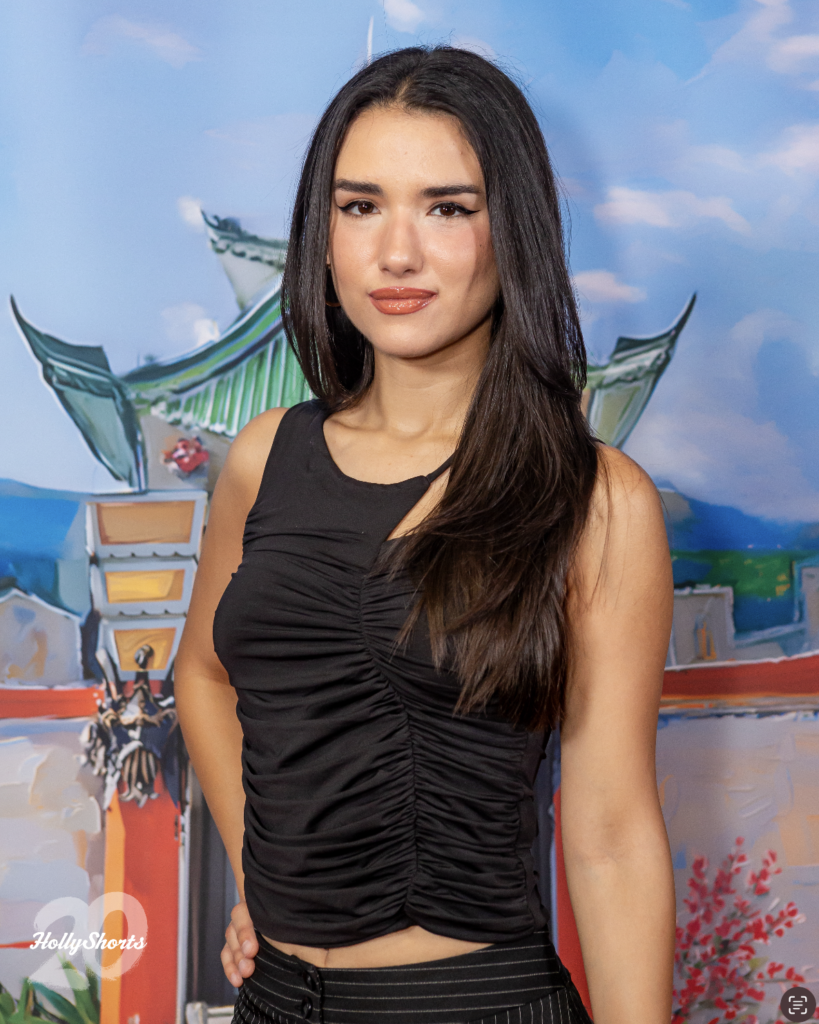
Some designers pick outfits.
Daniela García builds people.
Born in Mexico and now based in Los Angeles, Daniela doesn’t approach wardrobe as decoration. She approaches it as structure. A graduate of the New York Film Academy, where she studied directing and screenwriting, she learned early that costume isn’t surface-level styling — it’s narrative architecture. Scripts aren’t mood boards to her. They’re schematics.
Every project starts the same way: breakdown. Emotional trajectory. Power dynamics. Class indicators. Psychological fractures. She maps wardrobe progression scene by scene, constructing systems that evolve alongside the character. Continuity isn’t an afterthought — it’s engineered.
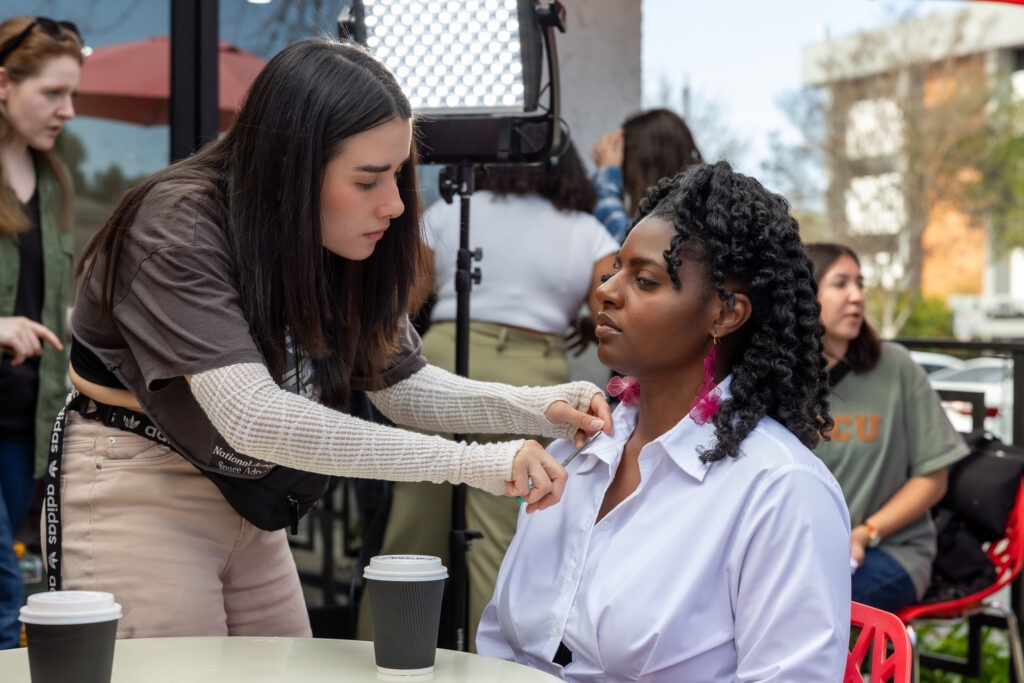
And yes, she’s technical about it. On purpose.
Color palettes are calibrated for digital sensors and mobile-screen compression. Silhouettes are tested for vertical framing, where tight shots demand instant legibility. Fabric movement is examined under lighting conditions to preserve dimensionality. Aging and distressing are tracked with surgical precision, especially in physically demanding scenes where choreography alters garment structure.
That’s the difference between styling and designing.
Owning the Vertical Series Space
Daniela has become a defining creative voice in the fast-growing vertical series market — content designed to live on phones, where framing is tight and attention spans are tighter.
For DramaBox, she designed His Love Was a Lie, Taming the Football Bad Boy, and the breakout action series The Vanished Champ Strikes Back, which surpassed six million views following its February 2026 release. She also brought her structural approach to ReelShort productions including Swapped My Ex for His Billionaire Uncle and the upcoming My Duplicated Husband.
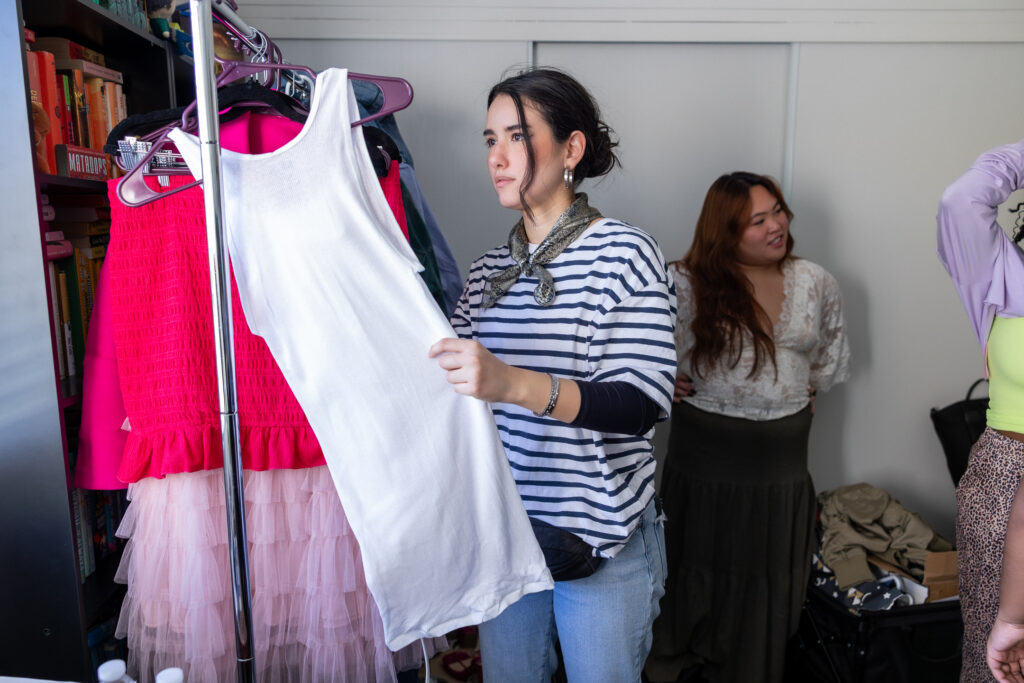
Vertical storytelling doesn’t allow for visual laziness. There’s no wide shot to “fix it later.” Color hierarchy, contrast, and silhouette must communicate instantly.
In romance-driven dramas, Daniela leaned into sculpted tailoring and controlled chromatic systems that read in seconds. Clean lines. Assertive color logic. Immediate status cues.
Then she shifted gears.
For The Vanished Champ Strikes Back, an MMA-centered action narrative, the wardrobe had to survive movement. Compression layering, stretch-compatible textiles, and strategically controlled distressing supported stunt choreography while darker tonal systems reinforced dominance and physical authority. Function didn’t dilute aesthetics — it sharpened them.
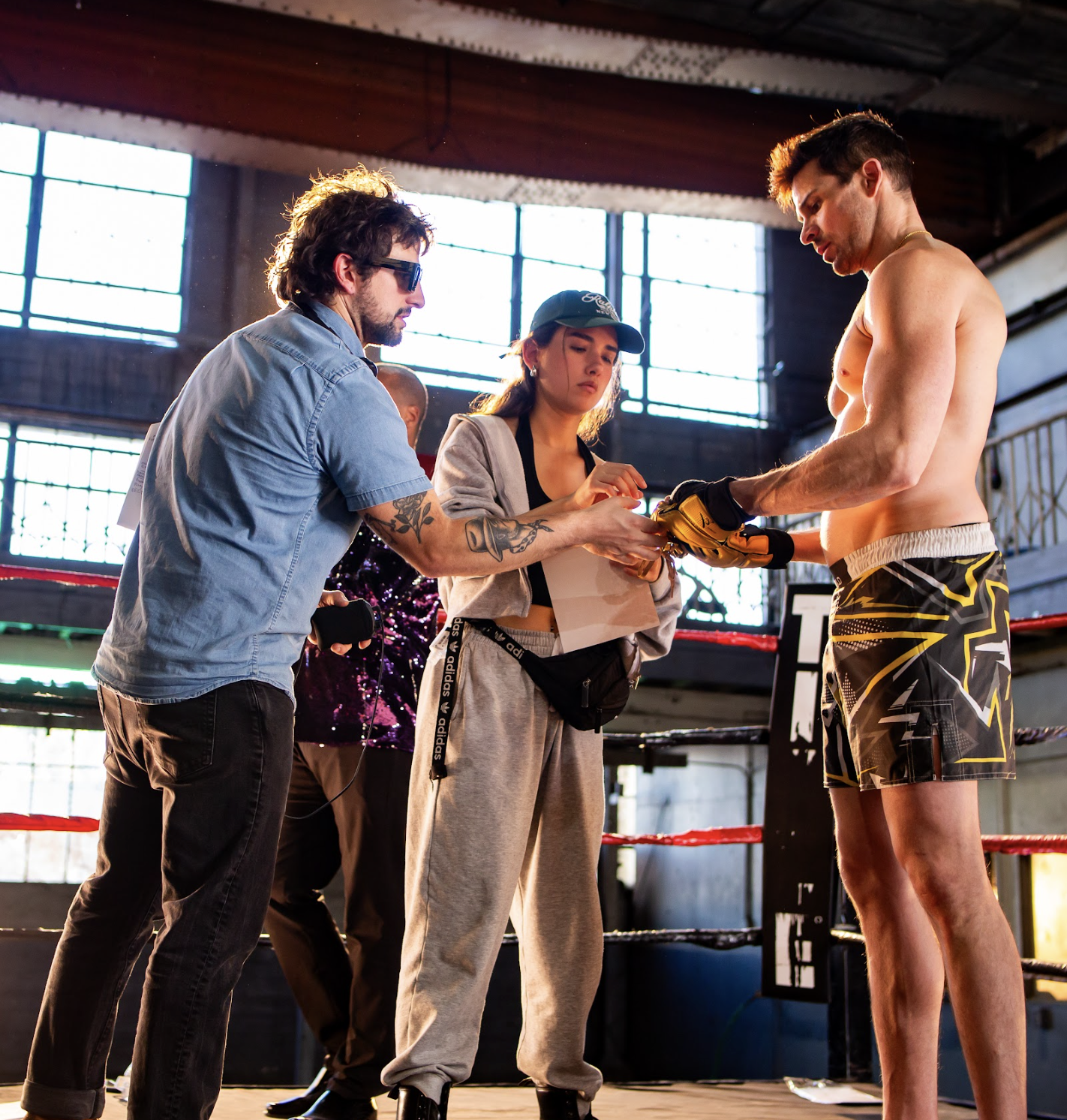
Producer Apoorv Arora of DramaBox described her approach succinctly: exceptional efficiency, detail-oriented execution, and seamless collaboration under intense production timelines. Multiple costume changes per day. Tight turnarounds. Continuity across episodes. No cracks in the system.
In a format built on speed, she delivered precision.
Festival Recognition and Psychological Precision
Daniela’s work extends well beyond serialized mobile content.
Her thesis film Cruda Verdad Dura Moral received official selection at the Worldwide Women Film Festival in March 2026. The film explores betrayal and moral detachment, themes embedded directly into wardrobe progression. Fabric shifts mirrored complicity. Color transitions tracked denial. Nothing decorative — everything deliberate.
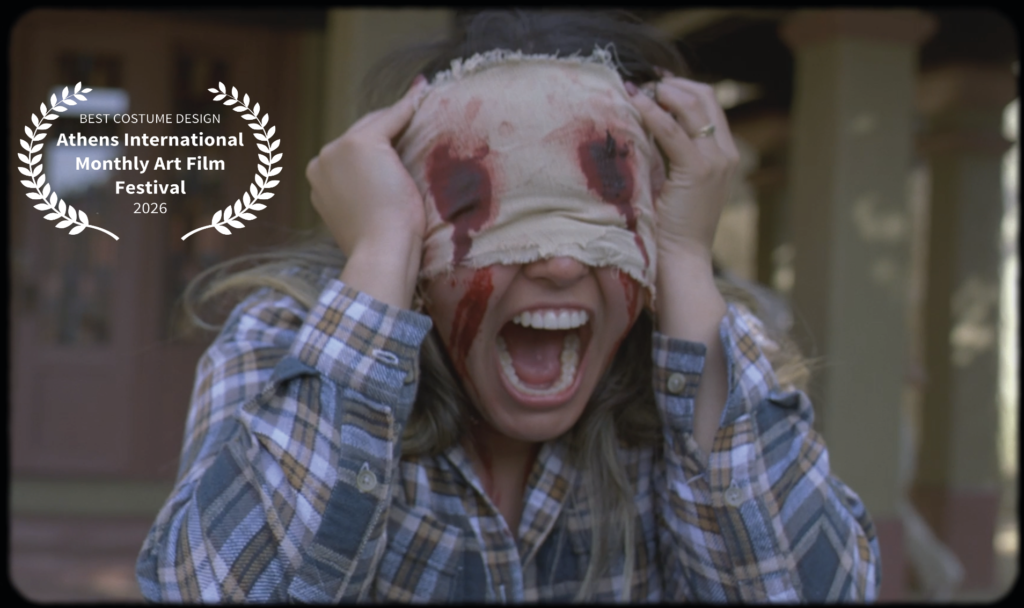
Her earlier short, Viva, earned Best Costume Design at the Athens International Monthly Film Festival. The visual metaphor centered on progressive bandage construction and textile deterioration, symbolizing communal moral decay through controlled fabric breakdown.
In Haim Means Life, directed by Daria Libinzon and selected by the Beverly Hills Film Festival, Daniela collaborated with Bassel Ziad to construct a bold triadic palette of saturated red, green, and yellow. Inspired by the psychological chromatics of Beanpole, the color tension heightened internal conflict. Lace textures suggested fragility. Pinned wing motifs imposed symbolic purity. Palette coding externalized fear surrounding motherhood.
Every thread had intention.
Professional Standing and What’s Next
Daniela is a member of the Costume Society of America and Women in Film — organizations that support both the advancement of craft and the expansion of opportunity within the industry.
She is currently designing the vertical mini-series Traded to the Shadow Heir for Rhapsody Productions, continuing her exploration of mobile-optimized color systems and silhouette engineering. Additional collaborations with Wild Ferry Films and Apoorv Arora are in development.
At the same time, she’s preparing for the short film Devils, now raising funds on Seed & Spark. Set in Texas in 1918, the project demands historically grounded garment construction: structured skirts with accurate underlayers, natural fiber textures, and palette systems coded to moral alignment. It’s a deliberate expansion into early 20th-century costuming — technically rigorous, materially specific, and narratively layered.
Daniela García isn’t trend-chasing.
She’s system-building.
In an industry that often treats costume as aesthetic garnish, she treats it as infrastructure — psychological, technological, and structurally precise. As digital formats continue to reshape how stories are consumed, the designers who understand both narrative and screen mechanics will define the next era.
Daniela isn’t waiting for that era.
She’s already designing it.
Connect with Daniela García
Instagram: https://www.instagram.com/daniellaaagr/
IMDb: https://m.imdb.com/name/nm16592982/
LinkedIn: https://www.linkedin.com/in/bydanielagarcia